02 / The review
7 CHAPTERSThree story lines collide in the fire
The season builds through three parallel lines: the children—Marge, Ronnie, Lilly and Will—the adults around Leroy, Hallorann and Rose, and the cosmic mythology of Pennywise. Winter Fire brings them together in one dense eruption.
Fog, the mass abduction of children and the collapse of boundaries between reality and nightmare create a convincing miniature apocalypse. The speed serves chaos and refuses the viewer any real rest, but also reduces the weight of key moments and removes secondary characters such as Taniel without enough emotional preparation.
A simple mission wrapped in cosmic mythology
The practical plot is straightforward: replace the destroyed pillar with the ritual dagger and close Pennywise's cage. The screenplay surrounds that task with larger ideas—the dagger resists its fate, Pennywise weaponizes time and Derry becomes a cosmic node connected to a comet's energy.
Expanding IT from a creature that feeds on fear into a macroversal entity that experiences time as a circle is intellectually exciting. The season raises the concept more often than it explains it, leaving the mythology stimulating but dramatically incomplete.
Pennywise becomes a collective nightmare
The writing deliberately removes part of Pennywise's mystery. Instead of isolating one victim, he becomes a public phenomenon, taking an entire school and leading floating children like a demonic Pied Piper.
That scale risks weakening the intimate fear associated with Stephen King's world, but Bill Skarsgård gives the character consistency through physical commitment and playful cruelty. Images such as the skating sequence retain the iconography even amid narrative chaos.
The military plot promises more than it gives
General Shaw's military conspiracy begins as a promising layer about institutional arrogance and the desire to direct evil. By the final episodes, it functions largely as a device for extending conflict.
Shaw's belief that he can control Pennywise becomes dramatic naïveté, and his death carries less weight than the screen time devoted to him. The series never fully balances cosmic horror with political criticism, leaving the military story closer to padding than necessity.
The children remain the true answer
Despite the cosmic complexity, the screenplay returns to the series' emotional foundation: children survive through mutual support rather than individual heroism. Marge, Ronnie and Lilly build trust, and the lifeboat idea gives Lilly a mature psychological arc.
Will wins through vulnerability and courage together. The appearance of Rich's spirit connects the story to Stan Uris and restates one of Derry's most haunting principles: nobody truly dies there.
Dick Hallorann earns the center
Dick Hallorann is written as a central character rather than nostalgic decoration. His path from broken man to rescuer is sensitive, his struggle with ghosts parallels Pennywise and entering the creature's mind becomes the finale's most dangerous and intelligent decision.
The connection to The Shining is handled with restraint rather than loud franchise signaling. His success makes a future spin-off attractive because the character deserves it dramatically, not merely because the brand can support it.
1986 turns the ending into another beginning
The jump to 1986 and the appearance of Beverly Marsh are more than fan service. They make a philosophical statement: an ending in Derry is always another beginning, and killing Pennywise may paradoxically become part of his birth.
This idea restores mystery after a season that revealed a great deal and opens unusual narrative possibilities. It also places a heavy explanatory burden on season two because several implications remain unsupported inside the first season itself.
03 / Final verdict
Final verdict
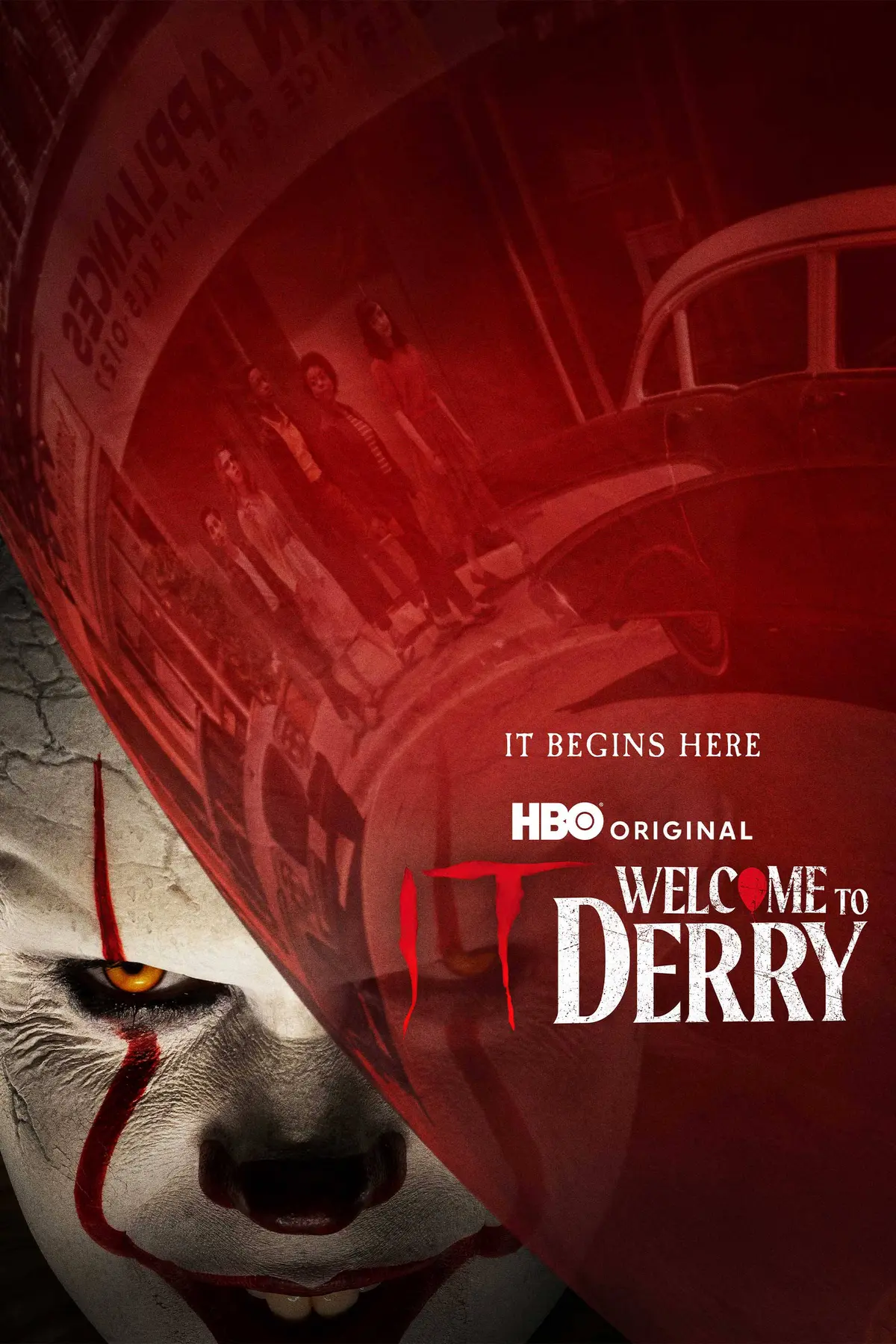
IT: Welcome to Derry is ambitious, bold and occasionally reckless. It builds human characters inside cosmic horror, expands Pennywise without betraying his spirit and reaches an emotional ending despite the disorder. Its imbalance comes from attempting too much, yet its vitality comes from the same refusal to play safely. Pennywise is not defeated so much as rearranged inside the circle of time, while Derry swallows the truth and prepares for another generation of blood.